On July 2, 2025, California Governor Gavin Newsom officially approved the expansion of the state’s Film and Television Tax Credit Program, standing alongside labor representatives, entertainment leaders, and state officials. The program, first started in 2009, offers tax incentives for entertainment companies that choose to film in California. It was enacted as a way to try and counter-act the trend of productions leaving not only Los Angeles, but California as a whole, and has been successful to an extent in bringing productions.

However, the credit program was far from perfect. In its most recent phase, it offered up to $330 million in a “first come, first serve” basis. Projects that were the quickest to get up and running could get their hands on the tax credit, while those who were slower missed out. This factor created an unfair playing field, with larger more established studios rushing to get their share for readily available projects while smaller studios struggled to catch up. Even worse, there were no separate categories for who could get the tax credits, meaning that animation, which is generally much slower to ramp up than live action, was basically entirely shut out.
Not only that, but as companies found themselves missing out in California, other states and other countries began to offer better and better incentives, which swooped in to sway the companies to go to them. This led to a “production drain” in California that progressively worsened, reaching its peak in the 2020-2024 period. Paired with covid and strike-induced shutdowns, and company cutbacks, and the unemployment rate for entertainment production workers skyrocketed to being one of the worst in decades.
The solution to this problem? The program needed massive changes.
And change it finally has. The process first began on October 27, 2024, when Governor Gavin Newsom suggested a massive overhaul to the Film and Television Tax Credit Program, raising the credit limit to a staggering $750 million per year, more than double the existing limit. If such a change were implemented, it would skyrocket the state’s tax program to be one of the most generous of any state, surpassing New York’s $700 million and only being beaten by Georgia’s limitless credit program.
At the time, the change seemed like a wonderful, but far-fetched dream. California’s budget was tight, and with how bad the state of entertainment was, there was great fear that it was coming too little, too late.
But in 2025, the state legislature began to work with labor unions and entertainment leaders to flesh out the expansion. In June, the legislature passed the expansion with an overwhelming majority. And as of July, the bill is now officially approved.
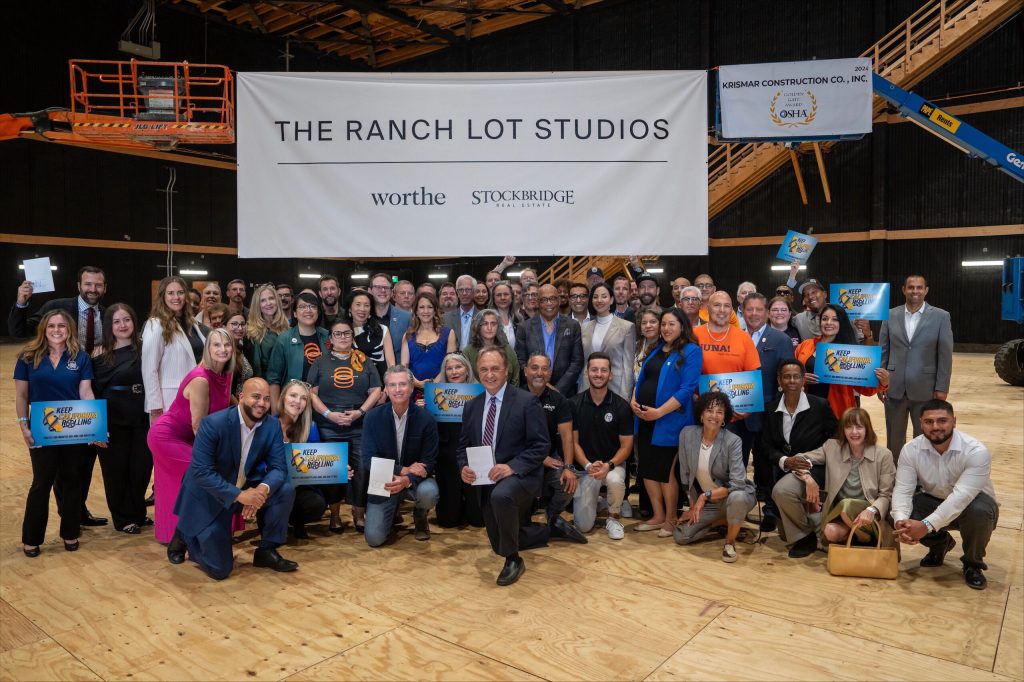
But a mere expansion wasn’t the only new element of the program. Alongside it came further adjustments in regards to how the new funds would be allocated, with animation given explicit allocations to prevent any more shut outs. Not only that, but the expansion will also now work to support the film-making ecosystem as a whole, including post-production, scoring, and VFX, which relies heavily on in-state labor.
These new changes are a much-needed adjustment, making the playing field more fair but also allowing for more productions to get their hands on the tax credits and prevent them from having to move out of state. With hope, the new expansion will also help encourage companies to greenlight new productions by helping with budget shortfalls, and help with reducing the unemployment rates for entertainment production.




























 Pop N' Crunch